Money Saving
Is the 2 for $14 Mix & Match Actually a Deal? We Did the Maths
The most common pizza promotion in America, run through the numbers. Sometimes it's excellent value. Sometimes you're paying more for less food.

Devin Oyelaran
Deals Editor
Last updated
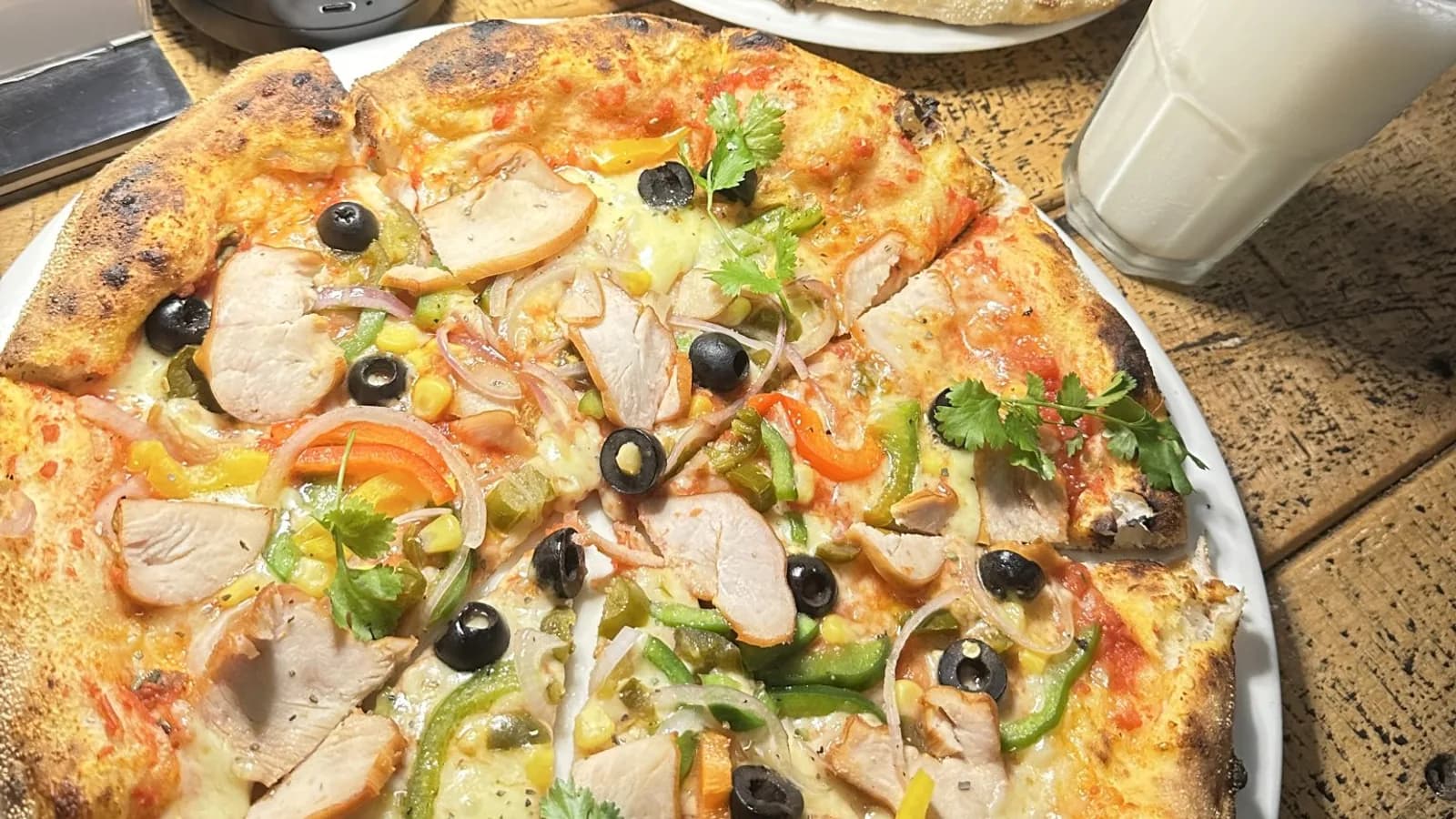
At a glance
| 2 medium pizzas≈226 sq in of pizza — best pick | $14.00 |
|---|---|
| 1 pizza + 1 pasta≈113 sq in + one tray | $14.00 |
| 2 pasta traysWeakest food-per-dollar option | $14.00 |
| Same 2 pizzas at menu priceThe deal saves ~$12 | $25.98 |
Two items for one flat price. It's the most widely run pizza promotion in the country, and it's been the industry's default value structure for well over a decade. It works because it's simple to understand and it makes people order more than they otherwise would.
The question worth asking isn't whether it's a good deal. It's whether it's a good deal for the specific things you're about to pick. Because the gap between the best and worst combination is enormous, and nothing on the ordering screen tells you that.
The basic maths
Let's use a common structure: two qualifying items for fourteen dollars. Qualifying items typically include a medium two-topping pizza, a pasta tray, an oven-baked sandwich, an eight-piece boneless chicken, and bread items.
Those things are not equivalent. A medium pizza is a twelve-inch circle — about 113 square inches of food. A pasta tray is a single generous portion. A sandwich is one sandwich. Eight boneless bites is a side, not a meal.
So when you pick two items for fourteen dollars, you might be getting 226 square inches of pizza, or you might be getting two portions that would leave two adults still hungry. Same price.
The rankings, best to worst
Two medium pizzas. The clear winner. Maximum food per dollar, feeds three to four people adequately, and generates leftovers that reheat well. At seven dollars per pizza you're paying roughly half the standalone menu price.
One pizza, one bread item. Strong if you actually want bread. The bread is the cheapest item on the qualifying list at full price, so you're capturing less discount, but the meal is more varied.
One pizza, one sandwich. Solid. A sandwich is a genuine full portion, so total food is respectable. Good structure for two people with different preferences.
One pizza, one pasta. Reasonable but not exceptional. Pasta is filling and the tray holds heat well, but you're getting notably less total food than two pizzas.
Two pastas. The weakest common combination. Two trays for fourteen dollars is close to the standalone price of two trays at some operators, meaning the discount is minimal.
Anything involving boneless chicken as one of the two. Eight pieces is a side portion. Using a full slot on it means you're paying seven dollars for something that costs eight and a half standalone — a saving of a dollar fifty on an item that won't feed anyone by itself.
The trap nobody talks about
Here's where mix and match gets you, and it's not in the pricing. It's in the framing.
You wanted one pizza. The screen shows you that a second item costs seven dollars — half price! — and it feels wasteful not to take it. So you order two things when you needed one, and you spend fourteen dollars instead of twelve or thirteen.
You didn't save seven dollars. You spent an extra two, and got food you'll possibly throw away.
This is not an accident. Bundle promotions exist to raise average order value, and they're extremely effective at it. The offer is real, the discount is real, and it still costs you more than not taking it if you didn't want two items.
When mix and match is genuinely excellent
Three situations where it's the right call without qualification.
Feeding three or more people. Two mediums at seven dollars each is very hard to beat on food per dollar anywhere in the fast food landscape.
Wanting variety across a mixed group. A pizza and a sandwich, or a pizza and a pasta, solves the problem of two people who want different things, and you're paying meaningfully less than ordering both separately.
Planning leftovers deliberately. Two mediums today means dinner tomorrow. Pizza reheats well in a pan, and you've halved the effective cost of both meals.
When to skip it
Ordering for one person. Take a single-item carryout offer instead — a large two-topping on a carryout price is usually eleven or twelve dollars and gives you more pizza than one medium plus a side you didn't want.
When you'd have to add a filler item. If your second slot is going to be something you're indifferent about, the deal is functioning as an upsell rather than a discount.
The three-item version
Same logic, more pronounced. Three items for eighteen dollars is superb if you genuinely want three things and terrible if you wanted two. The per-item price drops to six dollars, which is excellent, but only on items you were going to eat.
Our rule of thumb: decide what you want before you look at the offer. Then check whether the offer covers it. That order of operations protects you from the framing effect entirely, and it takes about ten seconds.
Example prices — verify at official checkout. Menu pricing is set independently by each franchise store and changes without notice.
Domino's Menu Guide is an independent publication. We are not affiliated with, endorsed by, sponsored by, or connected to Domino's Pizza LLC or any of its subsidiaries or franchisees. All trademarks and brand names belong to their respective owners and are referenced here only to describe the food being discussed.
Frequently asked questions
Keep reading
 Money Saving
The 9 Best Value Items on Any Pizza Menu (And the 4 Worst)
Ranked by food per dollar and honest usefulness, not by what the marketing pushes. Some of these will surprise you.
 Money Saving
17 Ways to Spend Less on Pizza Delivery (That Actually Work)
No gimmicks, no expired coupon codes. Just the tactics that reliably reduce what you pay, ranked by how much they're actually worth.
 Money Saving
What Chain Pizza Actually Costs in 2026 (A Full Price Breakdown)
Menu price is only the start. Here's every line that lands on a pizza receipt, why the final number is 40% higher than the pizza, and where you can push back.