Comparisons
Carryout vs Delivery: What the Twenty-Minute Drive Is Really Worth
We tracked the same order both ways across several markets. The gap is bigger than most people assume, and it's widest exactly where you'd least expect.

Marisol Vega
Founder & Lead Menu Analyst
Last updated
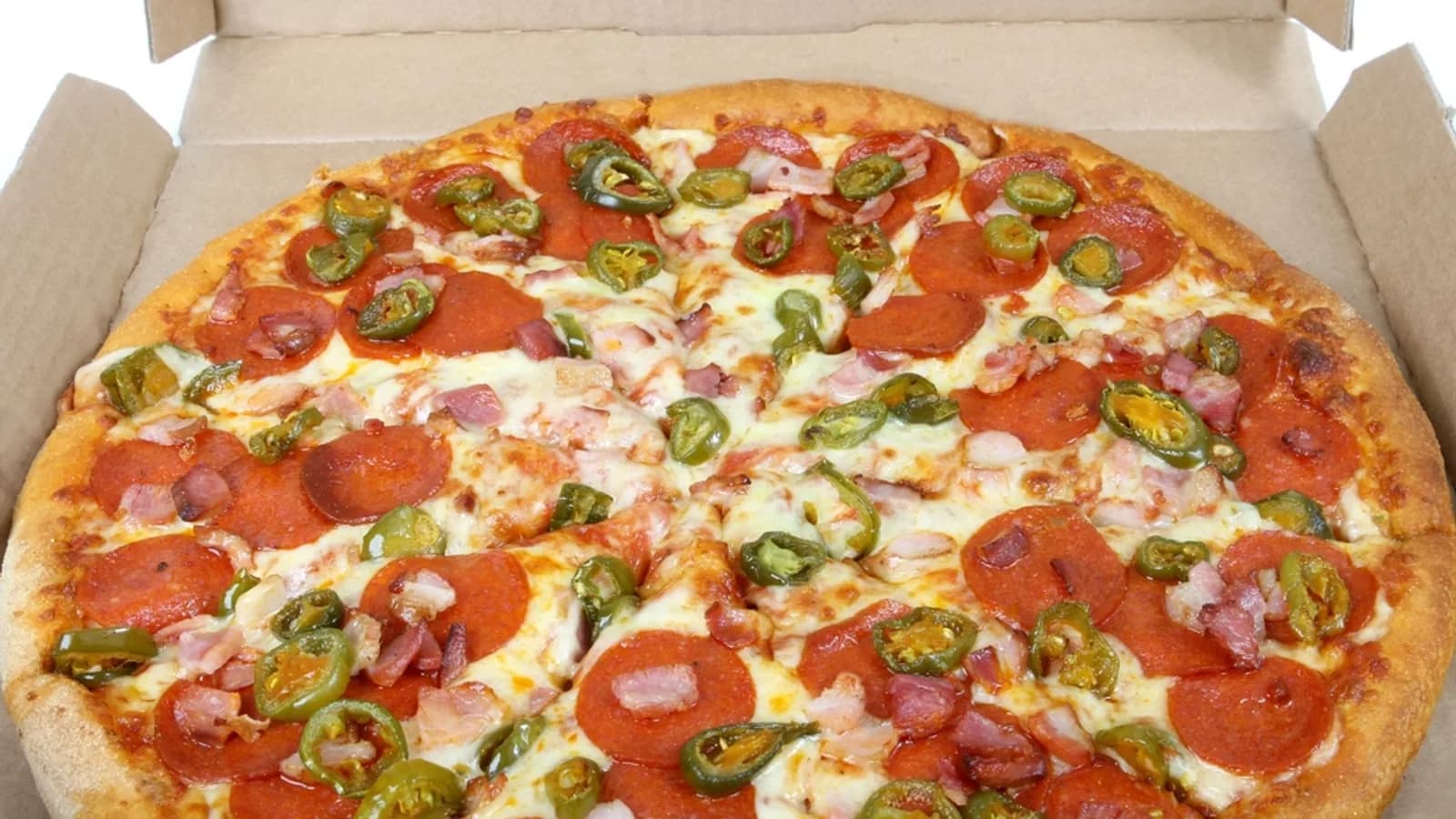
Everybody knows carryout is cheaper. What surprises people is by how much, and the fact that the gap has been quietly widening for years.
We've been logging reader receipts across a dozen metros, comparing identical orders placed both ways within the same week. Here's what that data actually shows.
The three components of the gap
The difference isn't one line item. It's three, and only one of them is obvious.
The delivery fee. Three to five dollars at most operators. Visible, expected, and the part everyone accounts for.
The item-price markup. This is the one people miss. A meaningful number of franchises price the same pizza higher when the order is flagged for delivery. It's not a separate line — it's baked into what the item costs. A pizza that shows as $11.99 for carryout may show as $13.99 for delivery, and unless you check both, you'd never know.
The tip. Fifteen to twenty percent, or a five-dollar minimum on small orders. Entirely appropriate, and entirely absent when you collect the food yourself.
Stack all three on a single large pizza and you're looking at eight to ten dollars. On a pizza that costs twelve. That's not a rounding error — it's close to doubling the price.
Where the gap is widest
Counterintuitively, it's largest in expensive cities, not cheap ones.
In San Diego, Seattle and San Francisco, high labour costs push both the delivery fee and the appropriate tip amount up together. A fair tip in an expensive city is a bigger number. Our San Diego readers routinely report gaps north of nine dollars on a single-pizza order — the widest we track anywhere.
In lower-cost markets like Detroit, San Antonio and Jacksonville the gap is narrower in dollar terms, though as a percentage of the order it's still substantial.
The quality difference nobody mentions
There's a second axis here, and it might matter more than the money.
A pizza collected at the counter is two or three minutes out of the oven. A delivered pizza is twenty to forty minutes out, and it has spent that entire time in a closed insulated bag. Insulation keeps heat in, but it also keeps steam in, and steam is what turns a crisp base soft.
The effect is real and it's uneven. A hand-tossed pepperoni survives the trip reasonably well. A thin crust arrives noticeably softer than it left. A heavily topped veggie pizza arrives distinctly damp. Cheesy bread suffers badly. Lava cakes lose their molten centre entirely.
So carryout isn't just cheaper — it's frequently better food. That's an unusual combination.
The honest case for delivery
None of this means delivery is a mistake. It means you should know what you're buying.
You're buying about twenty-five minutes of your time back, plus the fuel and the parking and the standing around. If your evening is such that twenty-five minutes is worth more than nine dollars, delivery is straightforwardly rational.
It's also the right call when weather makes driving unpleasant or unsafe, when you don't have a car, when you've had a drink, when you're managing children who can't be left, or when you simply cannot face going outside. All legitimate.
And on larger orders the maths shifts. A four-dollar fee on a sixty-dollar group order is under seven percent. The gap in absolute terms grows because the tip scales, but as a share of the bill it's far less painful.
A middle path worth knowing about
Curbside collection sits between the two. You order online, drive to the store, and someone brings it to your car. You skip the queue, skip the tip, skip the delivery fee, and you don't have to go inside.
Most major operators now offer it and relatively few customers use it. If your objection to carryout is standing at a counter rather than the driving itself, this solves it entirely.
The practical test
Next time you order, do this. Build your order in the app with delivery selected. Note the subtotal. Switch to carryout. Note it again.
If the numbers are identical, your store doesn't apply a delivery markup and your gap is just the fee plus the tip. If the numbers differ, now you know your store's actual delivery premium — and you can decide whether it's worth it with real information rather than a guess.
Either way, it takes thirty seconds and you'll never wonder again.
Example prices — verify at official checkout. Menu pricing is set independently by each franchise store and changes without notice.
Domino's Menu Guide is an independent publication. We are not affiliated with, endorsed by, sponsored by, or connected to Domino's Pizza LLC or any of its subsidiaries or franchisees. All trademarks and brand names belong to their respective owners and are referenced here only to describe the food being discussed.
Frequently asked questions
Keep reading
 Ordering Tips
How Much Should You Tip a Pizza Delivery Driver?
The delivery fee isn't the tip. Here's what drivers actually earn, what the standard is, and when to go above it.
 Comparisons
App vs Website vs Phone: Which Way of Ordering Pizza Wins?
Three ways to place the same order, three different prices and three different failure modes. Here's which one to use and when.
 Comparisons
Bone-In vs Boneless Wings: Which Should You Order?
One is chicken wings. The other is breaded chicken breast with a misleading name. A straight comparison on taste, price, portion and practicality.