Money Saving
What Chain Pizza Actually Costs in 2026 (A Full Price Breakdown)
Menu price is only the start. Here's every line that lands on a pizza receipt, why the final number is 40% higher than the pizza, and where you can push back.

Marisol Vega
Founder & Lead Menu Analyst
Last updated
At a glance
| Large 2-topping (menu)Before anything else | $15.99 |
|---|---|
| Delivery feeGoes to the store, not the driver | $4.49 |
| Sales taxVaries by state and city | $1.64 |
| Tip (18%)Calculated on the pre-fee subtotal | $3.68 |
| Real total61% above the menu price | $25.80 |
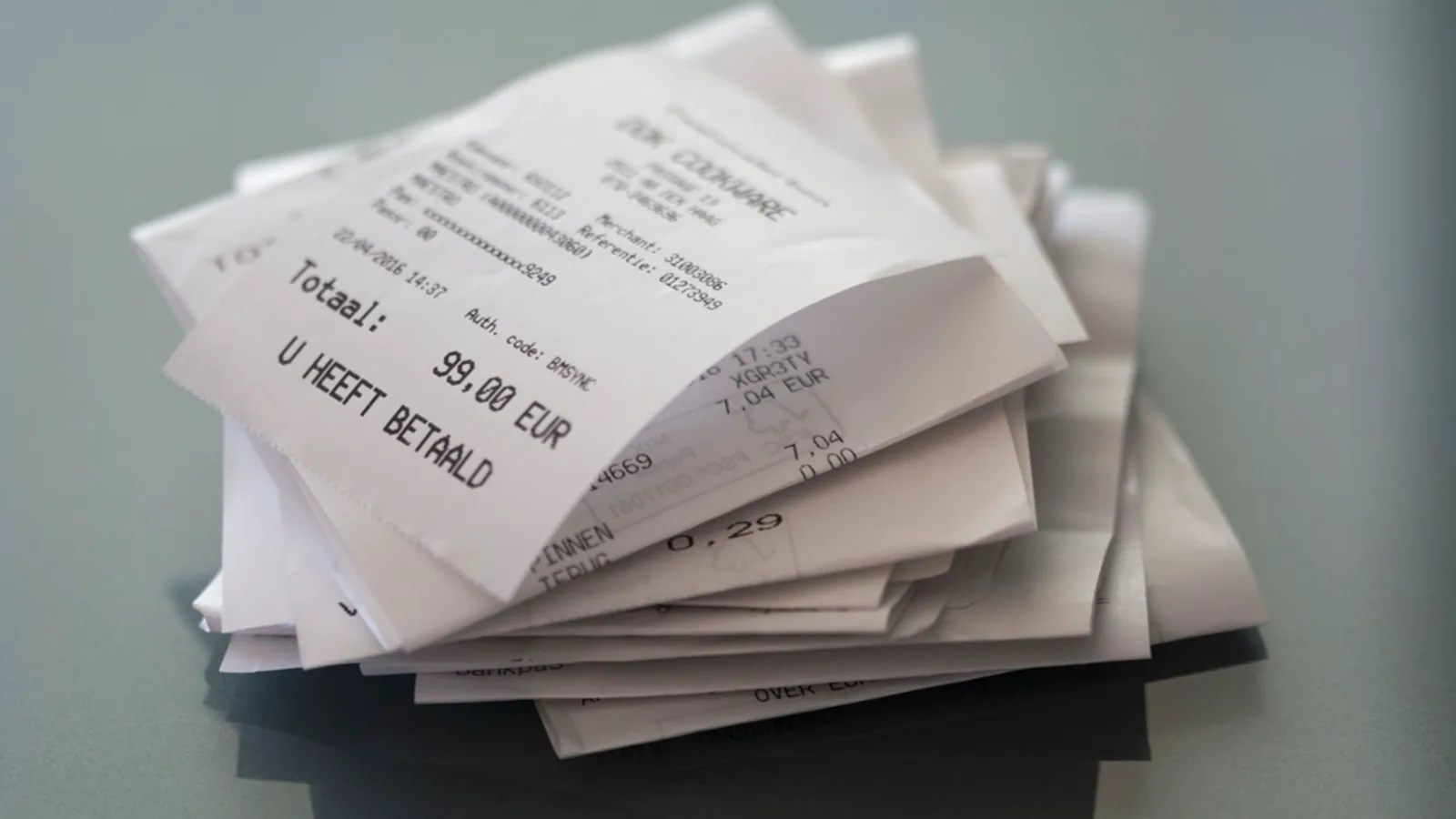
Here's a number that surprises people. Order a large two-topping pizza for delivery, tip fairly, and the money that leaves your account is somewhere around sixty percent more than the price you saw on the menu. Not ten percent. Not twenty. Sixty.
That's not a scam and nobody's hiding anything. It's just that a pizza receipt has five or six lines on it and most of us only look at one of them before clicking order. Let's go through all of them properly, because once you can see where the money goes, you can start deciding which parts you're willing to pay.
Line one: the menu price
A large two-topping runs somewhere between fourteen and eighteen dollars at most national chains right now, depending heavily on where you live. Seattle and San Diego sit at the top of that range. Detroit, San Antonio and Jacksonville sit near the bottom. The spread between the cheapest and most expensive major metro is roughly four dollars on an identical pizza, and it comes down to labour costs, commercial rent and local tax.
What's worth understanding is that this menu price is almost never the price you should be paying. Chain pizza operates on a promotional model — the listed price exists mainly to make the deal price look good by comparison. If you're paying full menu price for a pizza, you've almost certainly missed something in the offers tab.
Line two: the delivery fee
Somewhere between three and five dollars, and this is the line that generates the most confusion. A lot of people assume it's the driver's payment. It isn't.
The delivery fee is store revenue. It offsets mileage reimbursement, commercial insurance on the delivery operation, and the general overhead of running drivers at all. Depending on the franchise, some portion may pass through to the driver as a per-run payment, but it's rarely most of it and frequently none.
This matters for one practical reason: if you skip the tip because you already paid a delivery fee, the person who drove to your house is the one who absorbs it. That's the outcome, whatever you intended.
Line three: the quiet delivery markup
Not every operator does this, but plenty do — the same pizza is priced a dollar or two higher when your order is set to delivery than when it's set to carryout. It shows up in the item price rather than as a separate line, which is exactly why nobody notices.
You can test this yourself in about thirty seconds. Build an order in the app, note the subtotal, then switch the fulfilment method to carryout and look again. If the number moves, your store applies a delivery markup. Now you know.
Line four: tax
Prepared food tax varies enormously across the country and there's nothing you can do about it. Oregon charges nothing at all. Tennessee's combined rate is among the highest in the nation. Chicago stacks a city prepared-food tax on top of state and county rates. A ten percent swing between two American cities on the identical order is entirely normal.
One small piece of leverage: if you live near a municipal boundary, the tax rate is set by the delivery address, not the store. Ordering to a friend's place across the line genuinely produces a different total. It's a matter of cents, but it's real.
Line five: the tip
Standard practice is fifteen to twenty percent, or a flat five dollars minimum on smaller orders, whichever is higher. Bad weather, long distances and large orders all warrant more.
Calculate it on the food subtotal rather than the post-fee total. Tipping a percentage on top of the delivery fee means you're tipping on money the driver never sees, which nobody intends to do.
Putting it together
A sixteen-dollar pizza becomes a twenty-six dollar transaction. That's the honest arithmetic, and it's worth internalising because it changes what counts as a good deal.
An offer that saves you three dollars on the menu price sounds decent until you realise it's shaving about eleven percent off your actual spend. Meanwhile switching from delivery to carryout on that same order removes the fee, potentially removes the markup, and removes the tip — call it eight or nine dollars, a third of the total, for twenty minutes of driving.
Where you actually have leverage
Four places, in descending order of impact.
Fulfilment method. Carryout is the single biggest lever available. It's not always practical, but when it is, nothing else comes close.
Offer selection. Always open the deals tab before building an order manually. In competitive markets there's a good chance something listed there beats what you'd assemble yourself, and the difference is frequently five dollars or more.
Order size. Fees are largely fixed. A four-dollar delivery fee on a sixteen-dollar order is twenty-five percent; on a forty-dollar order it's ten percent. If you're going to order twice this week, ordering once and eating leftovers is meaningfully cheaper.
Item selection. Pizza is the highest-value item per dollar on most menus. Drinks and dips are the lowest. That doesn't mean don't order them — it means know what you're paying for.
What doesn't work
A few things people try that don't hold up. Ordering two mediums instead of a large rarely wins on area-per-dollar unless a specific promotion makes it so. Removing toppings almost never reduces the price of a specialty item. And stacking coupons is blocked in the terms of essentially every offer at every major chain — if it seems to work, it's a system quirk that will be closed.
The receipt is knowable. Once you've read one properly, you'll never look at a menu price the same way again.
Example prices — verify at official checkout. Menu pricing is set independently by each franchise store and changes without notice.
Domino's Menu Guide is an independent publication. We are not affiliated with, endorsed by, sponsored by, or connected to Domino's Pizza LLC or any of its subsidiaries or franchisees. All trademarks and brand names belong to their respective owners and are referenced here only to describe the food being discussed.
Frequently asked questions
Keep reading
 Money Saving
The 9 Best Value Items on Any Pizza Menu (And the 4 Worst)
Ranked by food per dollar and honest usefulness, not by what the marketing pushes. Some of these will surprise you.
 Money Saving
17 Ways to Spend Less on Pizza Delivery (That Actually Work)
No gimmicks, no expired coupon codes. Just the tactics that reliably reduce what you pay, ranked by how much they're actually worth.
 Money Saving
Is the 2 for $14 Mix & Match Actually a Deal? We Did the Maths
The most common pizza promotion in America, run through the numbers. Sometimes it's excellent value. Sometimes you're paying more for less food.